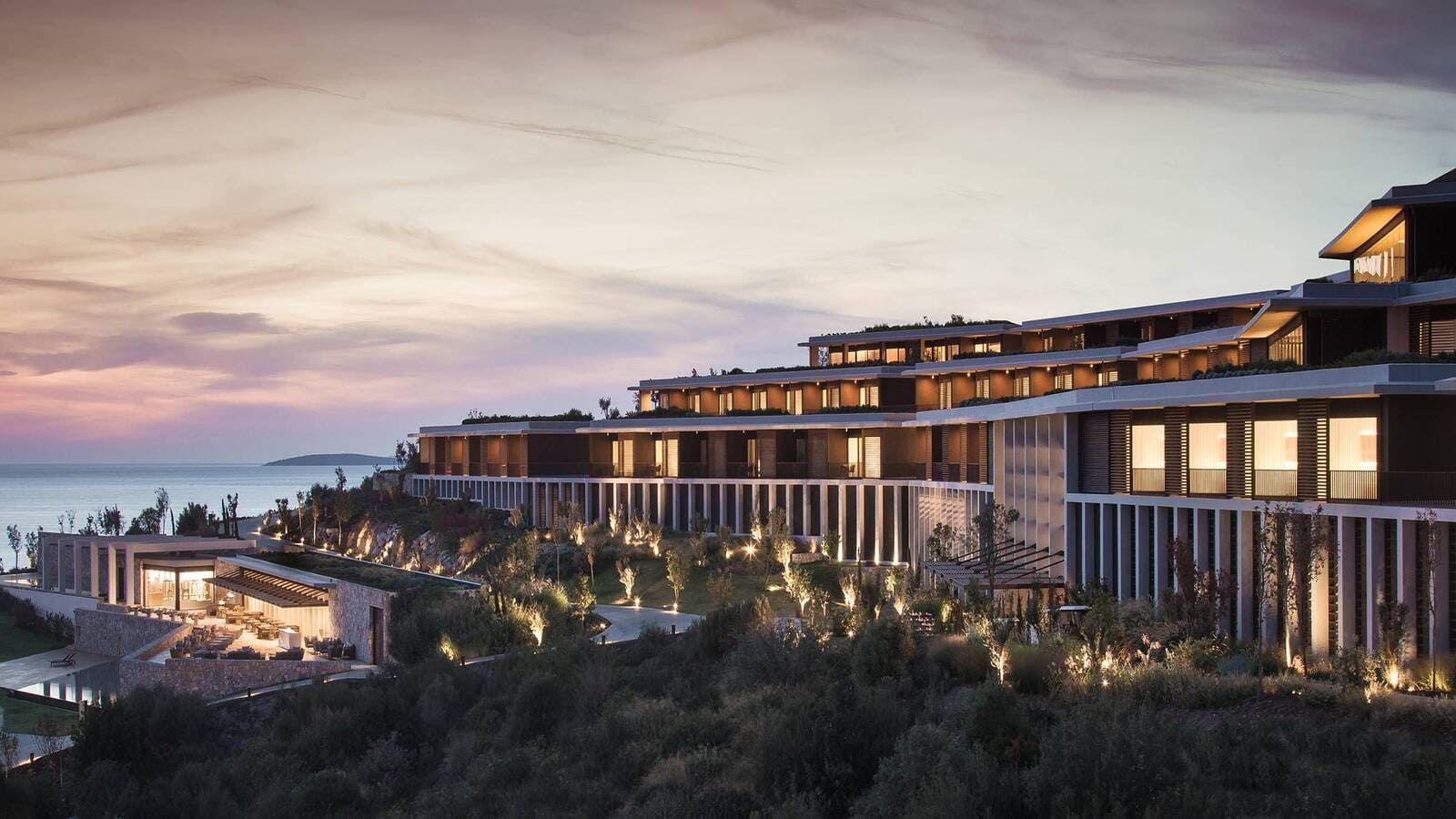

Turkey’s Aegean and Mediterranean coastlines stretch for thousands of kilometres — from the wind-kissed bays of Çeşme to the pine-draped cliffs above Göcek. Along them, dozens of properties claim the five-star designation. Not all of them deserve it. Choosing the right one requires looking past the marketing and asking the right questions before you book.
Aegean vs. Mediterranean. Which Coast Fits You?
The first decision is not which hotel — it’s which sea. Turkey’s two great coastlines have distinct personalities, and the best hotel in the world won’t compensate for a mismatched setting.
Aegean
Bodrum · Çeşme · Alaçatı
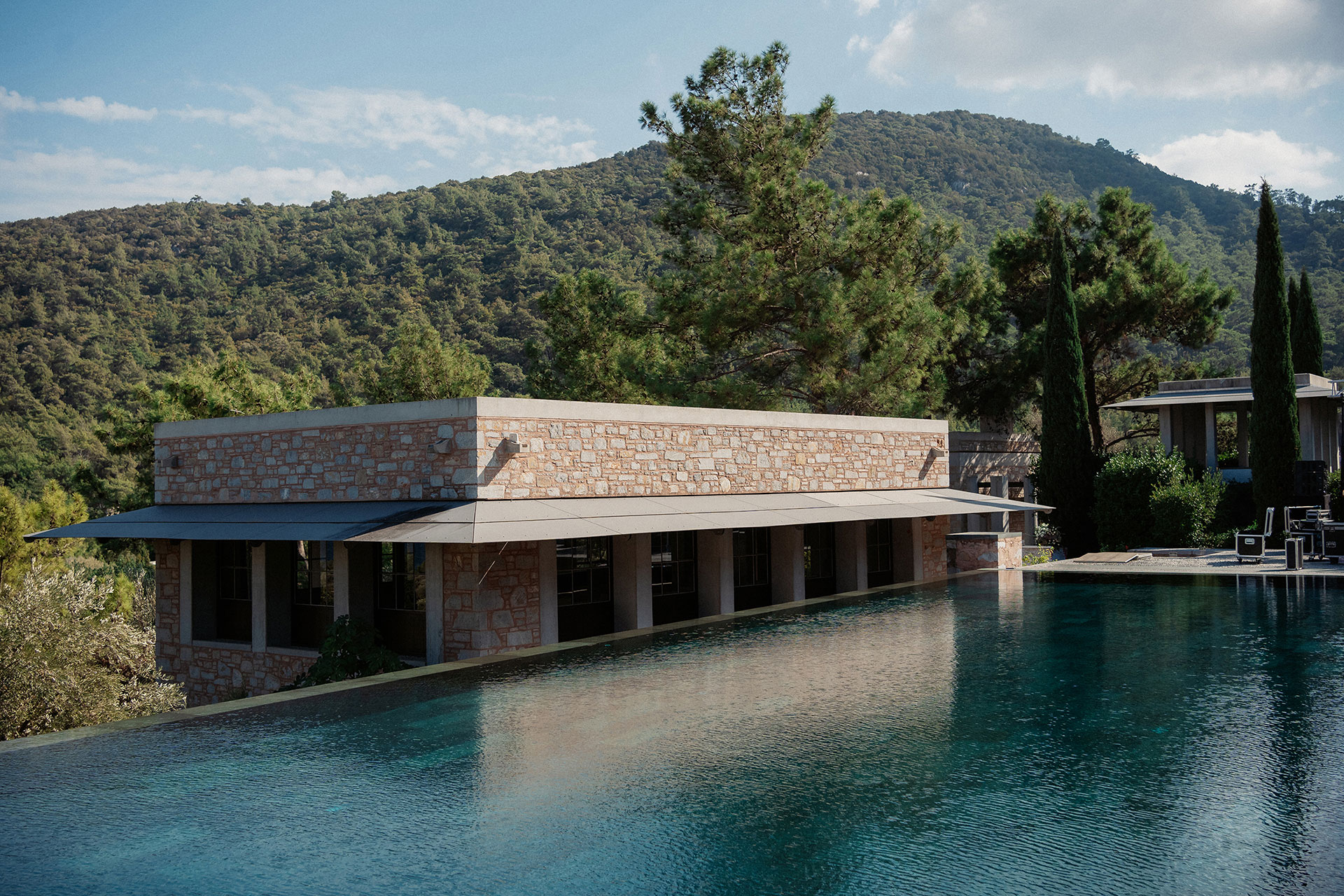
Boutique elegance. Smaller properties, Cycladic-influenced architecture, windswept hillsides, celebrity-favoured beach clubs. Bodrum Peninsula offers seclusion; Çeşme and Alaçatı add a cosmopolitan café culture. Best for couples and discerning solo travellers.
Mediterranean
Antalya · Belek · Göcek · Kaş
Grand-scale luxury. Sprawling resort complexes, world-class golf in Belek, fjord-like inlets at Göcek, the Lycian coast near Kaş. Ideal for families requiring amenities, golf enthusiasts, and travellers seeking longer beach stretches.
A common mistake is selecting the prestigious name — Bodrum or Antalya — without considering the microregion. The Bodrum Peninsula alone contains a dozen distinct bays, each with a different atmosphere. Türkbükü is social and show-the-world; Yalıkavak is the superyacht marina; Gündoğan is quiet family. The hotel you choose should match the bay, not just the postcode.
Location Within the Region
When evaluating a hotel’s location, consider three concentric questions ;
- Seafront or hillside? Seafront means direct beach access; hillside often means panoramic views but a shuttle to the water. Both can be spectacular — know what you’re choosing.
- How long is the transfer from the nearest airport? Milas–Bodrum is manageable (45–90 min). Some Göcek properties require a 2.5-hour drive from Dalaman, or a short boat transfer — wonderful for the right guest, tiring for others.
- Private beach or shared? Genuine private beach access is increasingly rare. Clarify whether the hotel controls its shoreline or shares a public beach with sun-lounger reservation systems.
- Walking distance to anything? Some ultra-secluded resorts are magnificent retreats; others feel isolating after two days. If you want cafes, marina life, or markets on foot, check the map carefully.
- Noise levels. Hotels adjacent to beach clubs or marinas can be loud until midnight in high season. If silence matters, read recent reviews from July and August specifically.
Understanding the Real Five-Star Spectrum
In Turkey, the five-star classification is awarded by the Ministry of Culture and Tourism. It is based on a points system — facilities, room size, staff ratios — not purely on experiential quality. This matters, because the distance between a minimum-qualifying five-star property and a true luxury flagship can be vast.
What the Stars Actually Measure
A hotel earns its five stars by checking physical and operational boxes: minimum room sizes, mandatory amenities (pool, restaurant, 24-hour reception), staff language requirements, and facility counts. Stars do not measure food quality, aesthetic refinement, warmth of service, or whether the pool is overcrowded in August.
What to Look for Beyond the Classification ?
- International affiliation — properties managed or affiliated with brands like The Leading Hotels of the World, Small Luxury Hotels, Relais & Châteaux, or major luxury chains carry independent quality verification.
- Staff-to-guest ratio — true luxury properties run roughly 2–3 staff members per guest. A ratio below 1:1 often shows in service speed and attentiveness.
- F&B quality — review recent menus and chef credentials. Some coastal properties excel at seafood and local cuisine; others serve international buffet standards. Clarify before booking if dining matters to you.
- Renovation date — a five-star property last refurbished in 2010 may carry the rating while showing age. Ask when the rooms were last updated.
- Guest profile — if you seek a quiet environment, check whether the hotel takes large tour groups or is primarily used for package holidays. Even excellent facilities feel different when shared with 400 guests on an all-inclusive deal.
Timing Your Stay ; Season Matters More Than You Think
Turkey’s Aegean and Mediterranean coasts operate on a compressed season — most luxury properties open in April and close by November. Within that window, the experience varies substantially by month. April – May: Ideal for those prioritising value and tranquillity. Temperatures are warm (22–26°C inland, sea around 18–20°C), crowds are minimal, and prices are meaningfully lower than peak. Many hotel facilities are not yet at full operation. June: The optimal balance. Peak facilities open, prices rising but not yet at maximum, crowds manageable. Sea temperature climbs to 22–24°C. Increasingly popular as travellers discover it. July – August: Maximum heat (35–42°C in some inland areas), maximum prices, maximum people. The coast becomes a different place — vibrant and buzzing for those who want energy; oppressively hot and crowded for those who don’t. If you choose peak season, book 6–12 months in advance and specify room category explicitly. September – October: The best-kept secret on Turkey’s coast. Sea temperature remains at its warmest (26–28°C), air temperature drops to a civilised 26–32°C, and the crowds recede dramatically. This is when the coast reveals itself to those who know to look. Prices begin to fall from mid-September.Month-by-month guide
Check Frequently Asked Questions
Find quick answers to the most common questions about luxury hotel booking in Turkey.
The ideal window is April–May or September–October. Crowds are thinner, prices are more reasonable, and the weather remains superb — sea temperatures hover around 24–26°C in September, perfect for swimming without the peak-summer crowds.
Aegean properties (Bodrum, Çeşme, Alaçatı) tend toward boutique elegance — smaller scale, windswept hillside views, a more intimate atmosphere. Mediterranean resorts (Antalya, Belek, Göcek) lean toward grand scale: larger pool complexes, world-class golf, and longer beach stretches. Your preference for intimacy versus scale should guide the choice.
A specialist concierge with TÜRSAB membership and existing hotel relationships can secure room upgrades, early check-in, dining reservations, and rates unavailable to the general public. For high-season stays or special occasions, the advantage is significant and typically exceeds any service fee.
For secluded coves and boutique luxury, the Bodrum Peninsula or Göcek/Ölüdeniz area is unmatched. For international resort grandeur with golf and spa facilities, Antalya's Belek district sets the benchmark. Çeşme and Alaçatı suit those seeking a chic, windsurf-friendly Aegean vibe with a cosmopolitan café scene.
For July and August stays — particularly in Bodrum and at leading Antalya properties — 6 to 12 months in advance is realistic for the best room categories. September stays can often be arranged 2–3 months out. A concierge with partner allocations may access availability not shown on public channels even closer to the date.
Still have questions?



Let Us Find the Right Hotel for You
We manage hotel selection, room allocation, airport transfers, and the on-the-ground details that turn a stay from expensive into unforgettable.